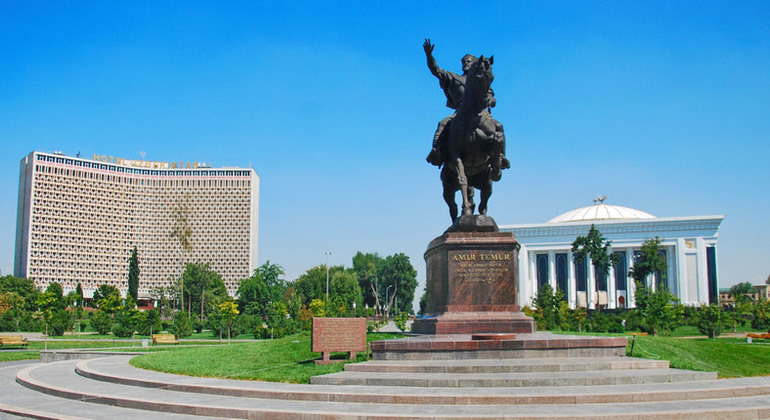
Outside Tashkent Airport, a scary-looking guy speaking Russian to me kept signalling for me to get into his car.
It was late, I had no SIM card, Uber did not work, and I had just discovered that I had forgotten the PIN codes to my credit cards for ATM cash. Not a great start.
Luckily, I still had some Chinese yuan, and with that money I was able to buy a SIM card which got me going. In Uzbekistan they use Yandex Go, the Russian version of Uber, and it took a while to get it installed. The Russian guy kept following me, but I was soon lucky enough to get into my first Yandex Go car.
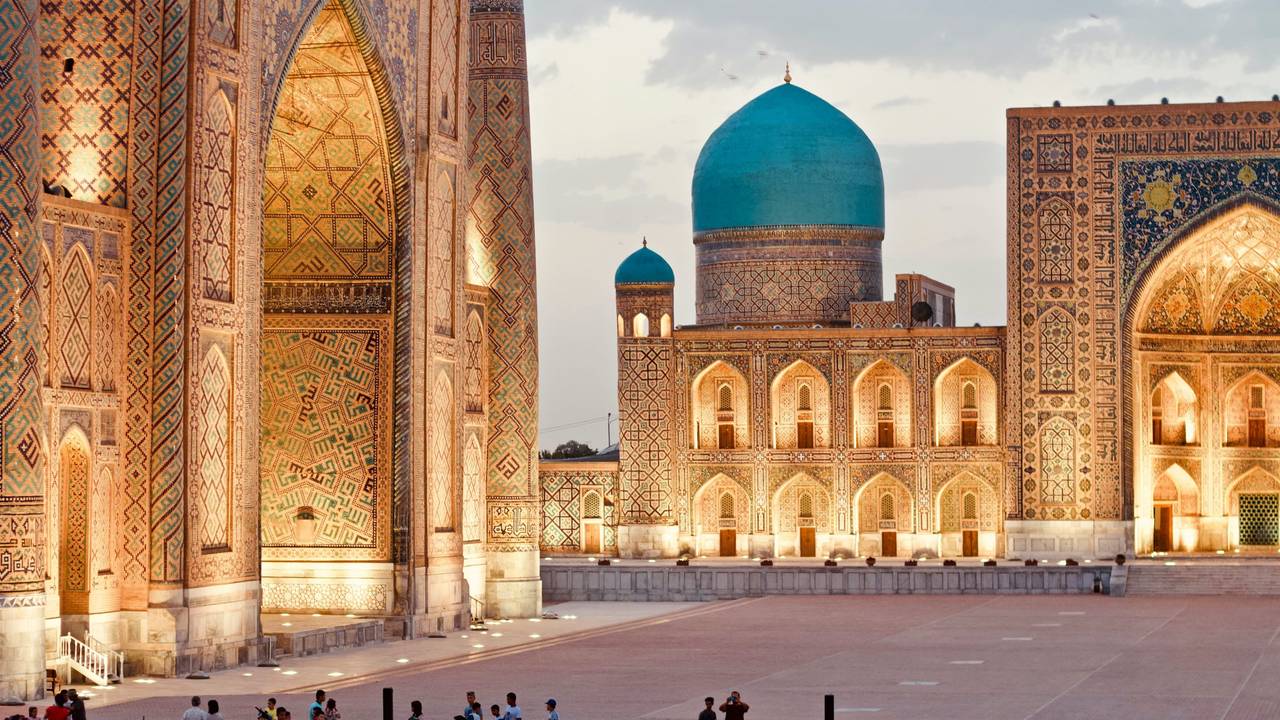
Sometimes you want to go somewhere unusual. I like to visit regions and understand more about them, and Central Asia was somewhere I had never been. Samarkand was the main attraction with its old Silk Road vibe. But to get there I first went to Tashkent and decided to explore the capital city.
Uzbekistan’s young and diverse population
Arriving at the Swissôtel, I was met with another surprise, one that would continue to repeat itself throughout my six days in Uzbekistan. Nearly all the staff, managers included, seemed to be under 25. In Uzbekistan, it doesn’t take long before you start to feel old!
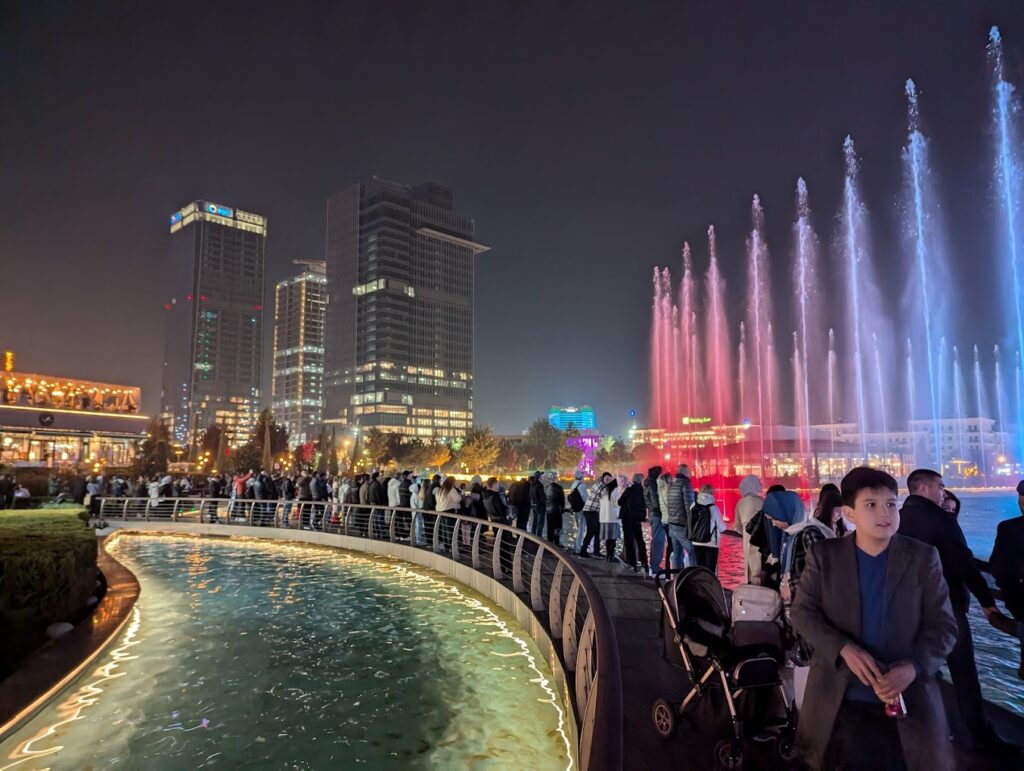
Another interesting thing is how diverse the people look. Some people looked Turkish, some Chinese, some Russian, some Western. And some people had all this combined in one person (the real Central Asian look, I guess). It made me feel less like a tourist, as I could be regarded as local as well, if I only could speak Russian, their second language.
Tashkent was quiet, perhaps influenced by the fact that I was there at the weekend. The streets were wide. There were not too many cars. It was okay to walk around and traffic went fine. I stayed in Mirabad, the embassy district.
Uzbekistan Hotel & Hazrati Imam Ensemble
That first morning, by chance, I walked upon a city tour bus while making my way to the infamous Uzbekistan Hotel.
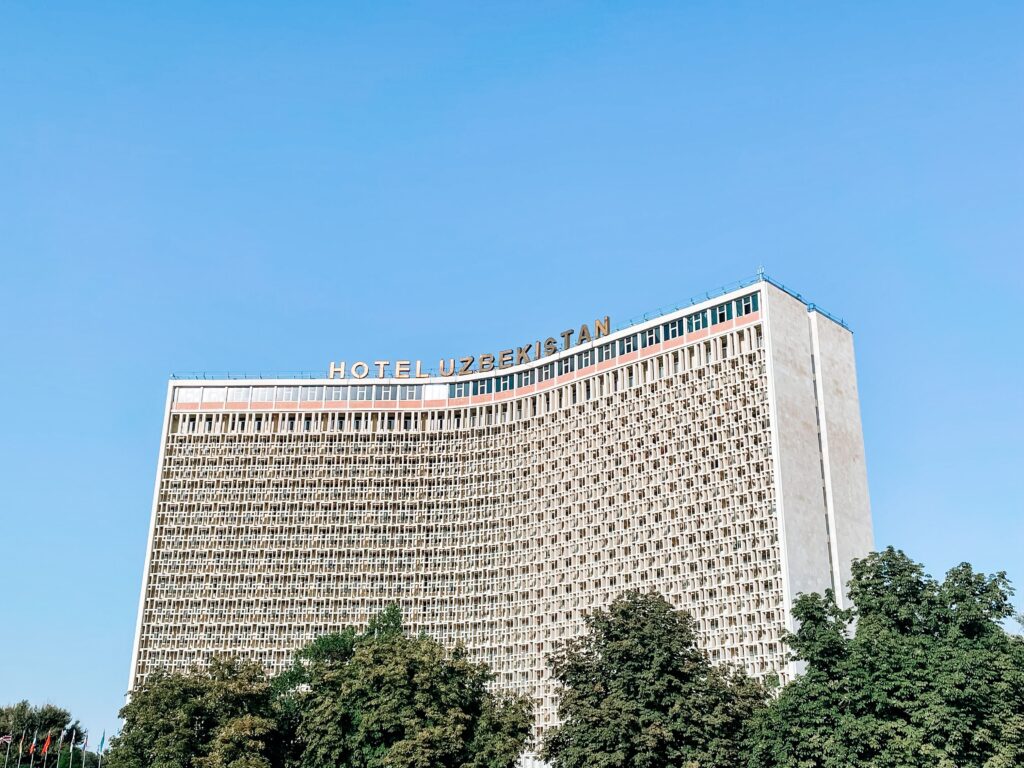
This old Soviet state hotel was built in the 1970s, and inside it also really looked like the 1970s, with weird lights and mirrors everywhere. The kind of place where a horror movie could be shot, I felt.
The bus itself was busy and I ended up sitting next to a Swedish man who looked like a copy of Rupert Murdoch, and at least twice my age, which immediately made me feel younger after the hotel ordeal the previous night.
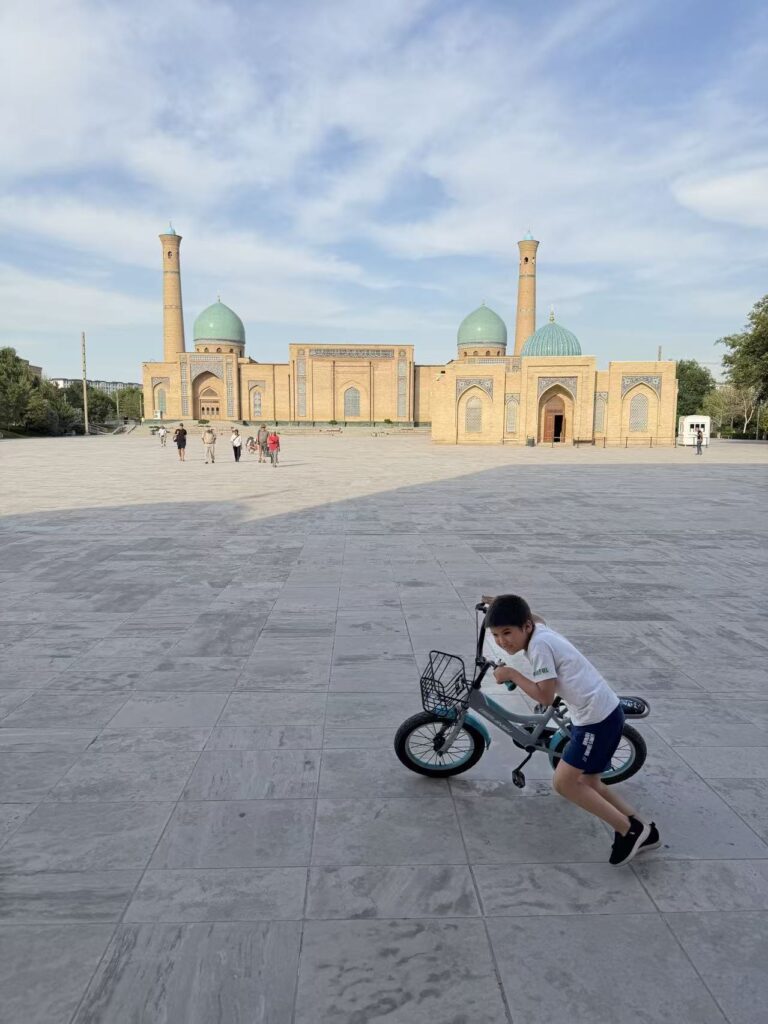
After finishing the bus tour, I went to Tashkent’s main attraction: the Hazrati Imam Ensemble. Tashkent suffered a major earthquake in 1966, destroying much of the old city, but this area survived.
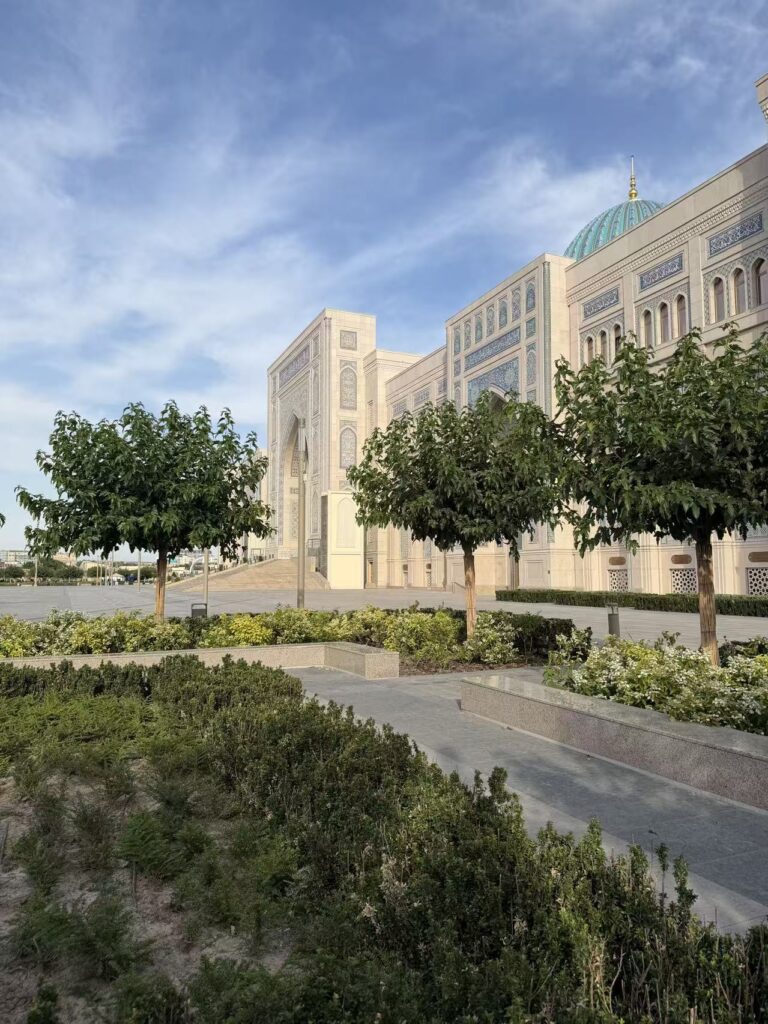
The taxi driver first dropped me at a historical-looking building, but I later learned that it was actually recently built, which made me feel a bit sad. I guess I like to believe that traditional architecture buildings could only be built in the old days.
The structure was the Islamic Civilization Center, a rebuilt version inspired by traditional architecture. Inside was a good modern museum showcasing the history of the area. Well worth a visit.
I spent the rest of the afternoon walking around the Hazrati Imam complex which is actually ancient. The blue domes looked beautiful in the cool afternoon light. Next to it was a newly built but traditional-looking mahalla-style pedestrian quarter. It was charming.
Chorsu Bazaar & the art-inspired subway stations
The pedestrian quarter eventually led up to the famous Chorsu Bazaar.
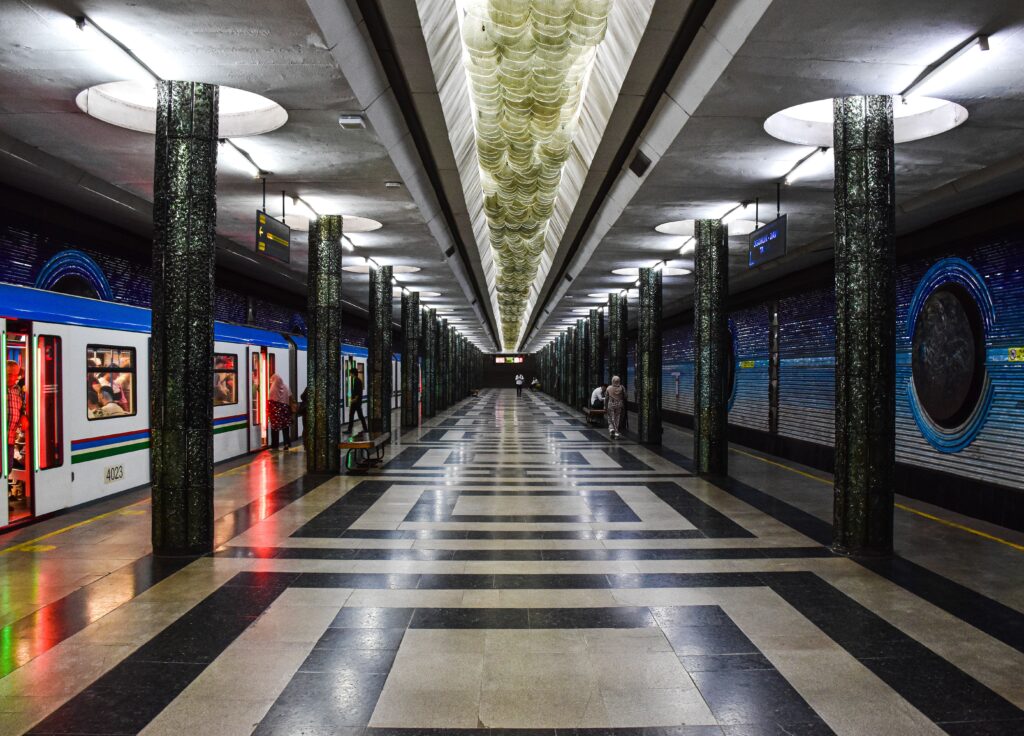
Well, I am not much of a bazaar person and quickly escaped into the subway, where the stations themselves had been turned into pieces of art. The Tashkent Metro is famous. Built during the Soviet era and opening in 1977 as the first metro system in Central Asia, Soviet planners believed public infrastructure should inspire citizens.
I visited three stations. It was a bit like opening a chocolate ball with a surprise inside. You never knew what the next one would look like. I even spoke to a tourist from the Philippines who had set out to visit no fewer than fifteen stations. Interesting.
I ended my day at Tashkent City Mall, a modern international-vibe mall. Sometimes you need a touch of home.
Second day: exploring neighbourhoods
I always try to stay a bit longer in capital and commercial cities. The historical sights need to be visited, but at the same time I know that people who actually live in the city rarely spend their time there. To get an understanding of where these people live and drink their coffee, I did not have to go far.
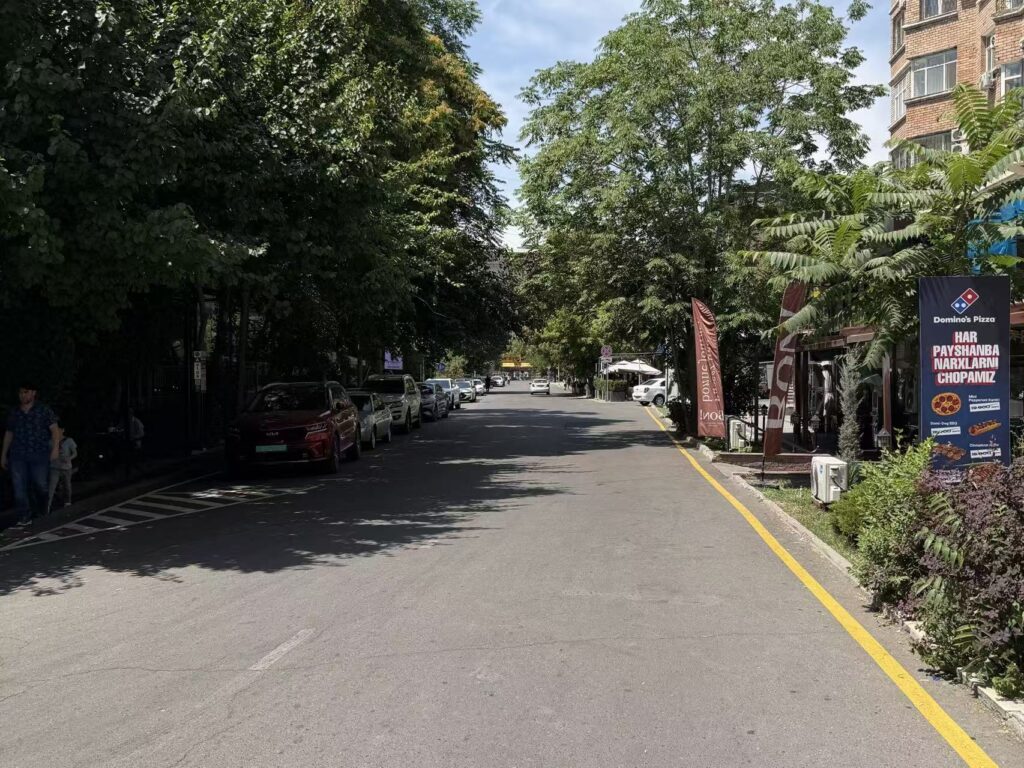
From my Swissôtel, I walked towards Mirabad Street. I stopped at Socials on Shevchenko Street and found a lovely café street nearby called Chekhov Street. Life was relaxed. People walked around, sat outside and sipped coffee. It was an affluent part of the city and gave me a bit of an impression of everyday life.
After 2 days exploring Tashkent, I came away fairly positive. The city is developed enough and comfortable, with a few interesting sights. The people were nice and, above all, curious. Those who spoke English would ask questions. And very importantly the city felt safe. Just make sure you bring some cash and pre-install the Yandex Go app :).
Next stop: Samarkand